



To combat sedentary behavior at work, it's important to find ergonomic solutions to protect your long-term health. Long hours spent sitting can lead to back problems and decreased productivity due to prolonged poor posture.
Dynamic seating is the revolutionary solution to improve your work environment, allow you to be active in the office, reduce your back pain and boost your productivity.
What is dynamic seating?
Dynamic sitting is a method of sitting that encourages movement and muscle engagement. This type of sitting aims to improve posture, strengthen stabilizing muscles, and reduce tension and pain caused by static sitting.
The benefits of dynamic sitting
Posture improvement
Dynamic seating promotes constant micro-movements that engage the core stabilizing muscles. These muscles help maintain spinal alignment and improve posture. Dynamic seating helps reduce the tendency to adopt poor posture.
Reduction of back pain
With four out of five people suffering from back pain at least once in their lives, back pain is a significant public health issue. Prolonged, static sitting is the leading cause of lower back pain. Dynamic sitting helps reduce pressure on the spine and lumbar region by encouraging movement and strengthening the back, pelvic, and abdominal muscles, thus considerably reducing back pain.

Increased productivity
In addition to improving posture and reducing back pain, dynamic sitting stimulates blood circulation, which improves oxygenation of the brain and muscles. All of these elements contribute to increased productivity, as they allow you to concentrate for longer periods.
Prevention of musculoskeletal disorders
Musculoskeletal disorders are also often caused by prolonged static postures or repetitive movements. By promoting movement, dynamic sitting helps prevent these disorders by engaging muscles and avoiding poor posture. Staying active helps reduce the risk of musculoskeletal disorders.
Stress reduction and improved well-being
The constant micro-movements generated by dynamic sitting stimulate the release of endorphins. This hormone helps improve mood and reduce stress. Furthermore, correct posture and a reduction in physical pain help you feel more relaxed, which can positively impact your mental health.
How to choose your dynamic seating
Ergonomics
Ergonomics is a key factor when choosing a dynamic seat. You need to ensure that your dynamic seat is specifically designed to support your spine and promote a correct and dynamic posture. A good dynamic seat should allow you to make constant micro-movements and maintain the natural curve of your back.
Adjustable
To ensure that your dynamic seating can be adapted to your specific needs, opt for a seat that allows you to adjust the height according to your height and the size of your desk to guarantee optimal comfort.
Comfort
For prolonged use of your dynamic seating, choose a seat made with high-quality materials and sufficient padding.
To assess the comfort of your dynamic seating, you need to think in terms of long-term support.
Mobility
The mobility of the dynamic seat is also essential. A good dynamic seat should not restrict your movements. Opt for a dynamic seat with an unstable base or a rocking mechanism that allows you to perform natural movements and promotes blood circulation.
Sustainability
The durability of your dynamic seating ensures a return on your investment over the long term. Opt for a robust, high-quality chair. Check the manufacturer's warranties and customer reviews to make the best choice.
Types of dynamic seating
Balloon Seats
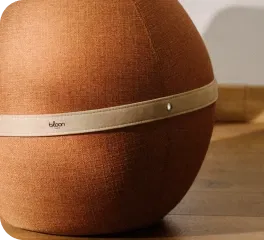
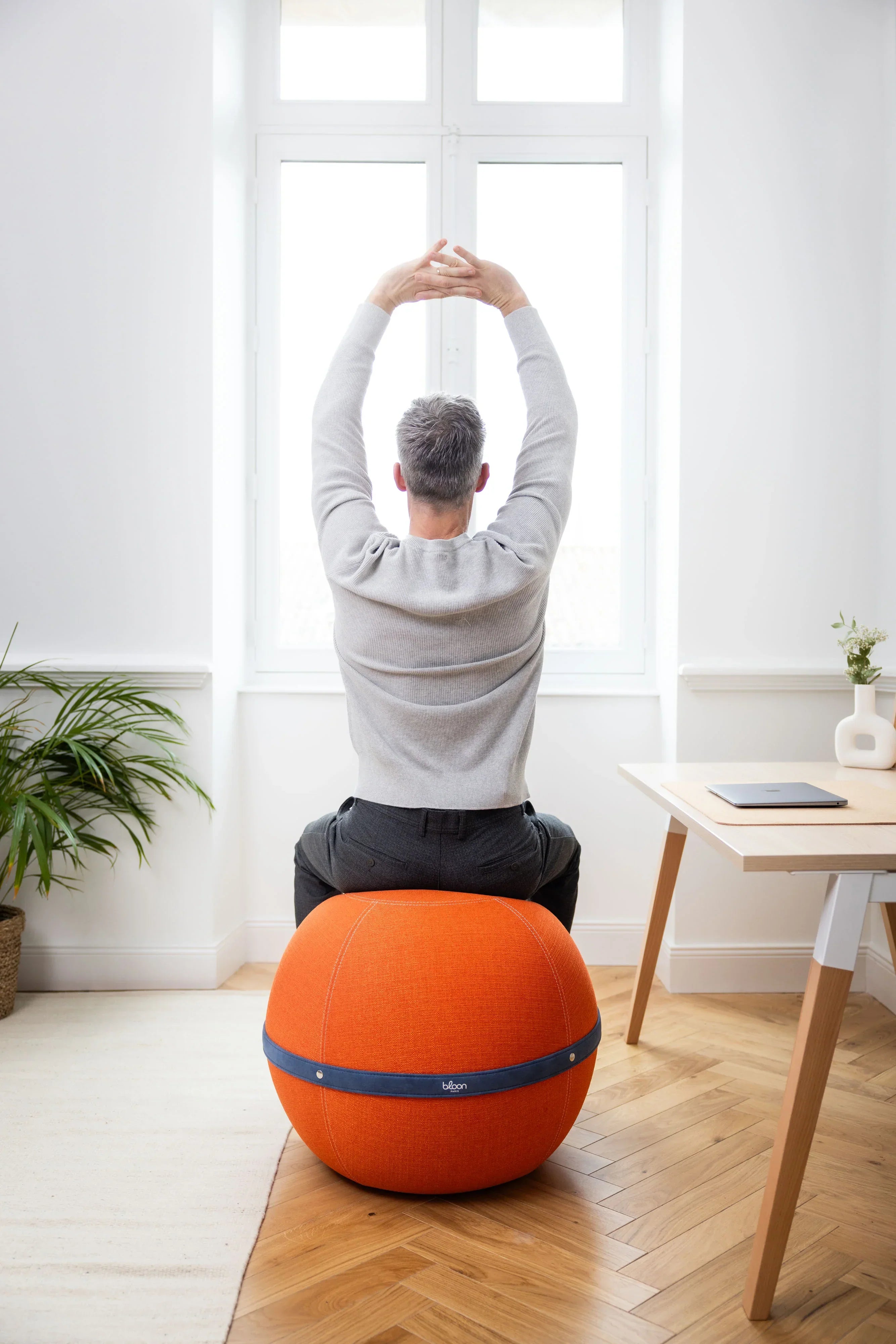
Ball seats, such as the Bloon ball seat, are an excellent choice because they encourage a dynamic posture, help strengthen core muscles and maintain a healthy posture for your back.
In addition, ball seats allow you to stay active at the office by incorporating muscle strengthening exercises and stretches that can be done using your ball seat.
To improve your well-being at work and discover the benefits of the Bloon exercise ball chair, feel free to consult our article: Swissball at the office: the benefits for your posture and productivity

If you would like to integrate the Bloon dynamic seating into your workspace, click here to purchase your Bloon ball .
Ergonomic stools
Ergonomic stools are specifically designed to encourage a dynamic posture by not providing a backrest, which forces you to use your core muscles to maintain your position.
Chairs for sitting while kneeling
Kneeling chairs are a fairly popular dynamic seating option. When you sit in a kneeling chair, your body weight is distributed between your knees and buttocks, which reduces pressure on your lower back and encourages a natural lumbar curve.
Rocking Chairs
Rocking chairs allow you to stay constantly active, with their base encouraging forward and backward rocking movements. These movements help strengthen your core muscles and promote a dynamic posture.
Perched Chairs
Perch chairs are an active seating option designed for use in a semi-standing position. They allow you to stay active by alternating between sitting and standing, which reduces pressure on the spine and improves blood circulation.
Chairs with Unstable Base
Chairs with an unstable base are dynamic seats that encourage constant micro-movements to maintain balance. This type of dynamic seating allows you to adopt a dynamic posture and helps reduce tension and pain.
Dynamic seating is an essential accessory for an ergonomic workstation, as it helps preserve your long-term health by improving your posture, reducing back pain, increasing your productivity, and decreasing stress. To choose the right dynamic seating, you must ensure that it is ergonomic, adjustable, comfortable, durable, and mobile.